


EICR vs Electrical Safety Certificate: What’s the Difference?
If someone asks you for an electrical safety certificate, it is easy to assume there is one standard document with that exact name. In everyday conversation, though, people often use that phrase loosely.
If the question is about the condition of a property’s fixed electrical installation after an inspection and test, the document they usually mean is an Electrical Installation Condition Report (EICR).
There is a bit of jargon around this subject, so here is the simple version.
Is an EICR the same as an electrical safety certificate?
Not exactly. An EICR is a specific report produced after the fixed electrical installation has been inspected and tested. The phrase “electrical safety certificate” is often used informally by landlords, homeowners, letting agents and property managers when they are asking about proof that the electrics have been checked.
That distinction matters because an EICR is a condition report. It records what was found during the inspection. It does not simply guarantee that every electrical installation is safe, and a satisfactory result cannot be promised before the inspection takes place.
If you are looking to arrange an inspection locally, see our EICR Bristol service for booking information, quotation details and what to expect from the report.
What does an EICR actually check?
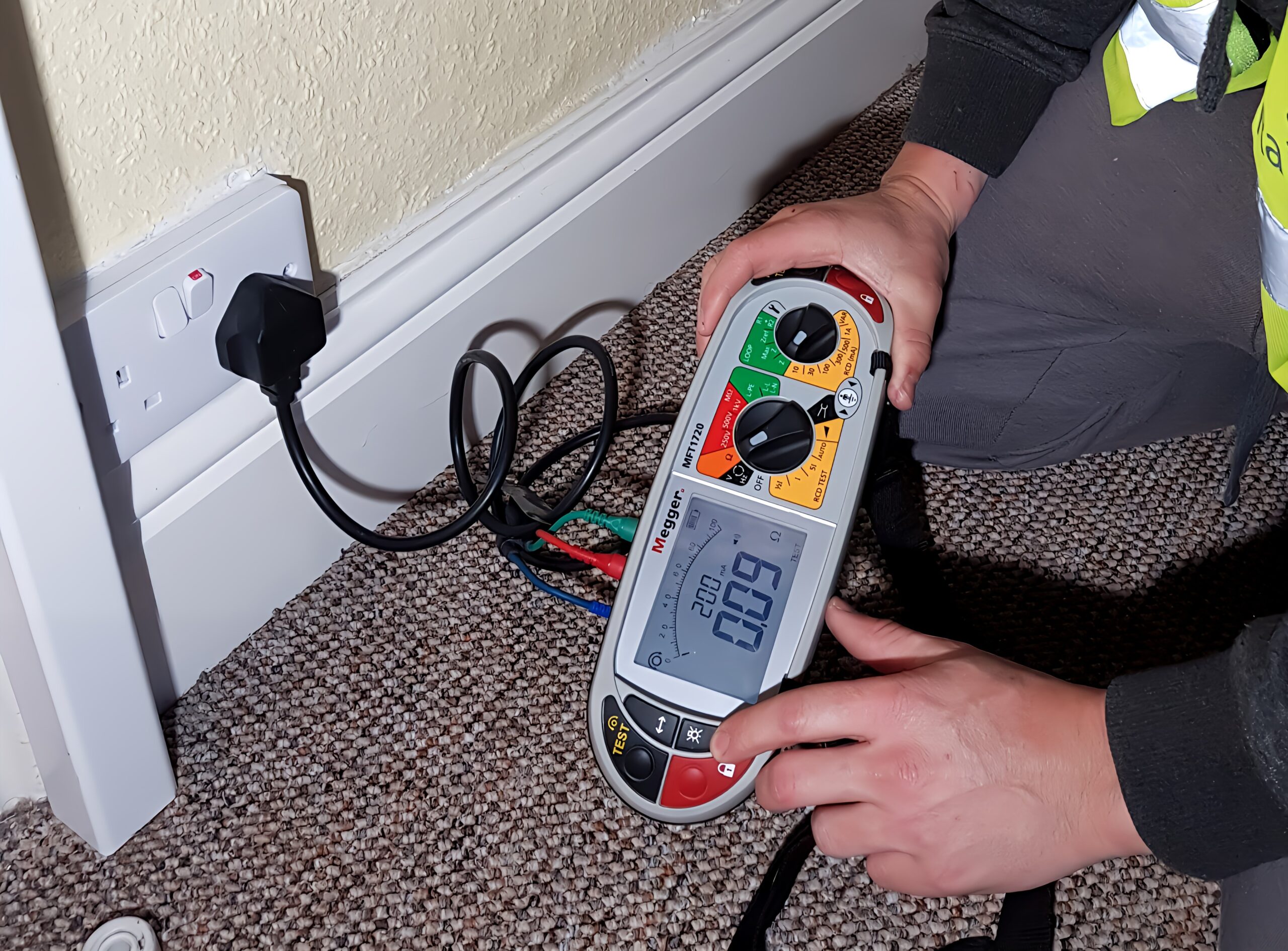
An EICR looks at the condition of the fixed electrical installation. That normally means things such as the wiring, consumer unit, circuits, sockets, switches, lighting points and protective measures that form part of the installation.
The inspection and testing is intended to identify defects, deterioration and other issues that may need attention. The report records the results and any observations made by the electrician.
It is worth thinking of an EICR as a health check for the electrical installation rather than a pass that is automatically handed out at the end.
Why do people search for an “EICR certificate”?
Mostly because “certificate” is familiar language. People are used to asking for certificates for gas safety, building work and other compliance paperwork, so the phrase naturally gets used for electrical inspections too.
You will see searches such as:
- EICR certificate
- electrical safety certificate
- landlord electrical certificate
- electrical inspection report
- electrical safety check
Those searches can all be describing slightly different needs. Before booking anything, it is better to explain why you need the inspection and what type of property is involved. That way the electrician can confirm the appropriate service rather than relying on a label alone.
What about landlords?
Landlords have specific electrical safety responsibilities. Current GOV.UK guidance for rented homes in England says electrical installations must be inspected and tested by a qualified person at least every five years, with a report provided after the inspection. An earlier inspection may be needed if the report specifies a shorter interval.
The guidance also explains when the report must be supplied to tenants and what happens if remedial work is required. Because rules and guidance can change, it is sensible to check the current GOV.UK electrical safety guidance rather than relying on an old blog post or a generic checklist.
If you manage rental property in Bristol, our landlord EICR service explains the practical booking information, report process and quotation details.
Do you need another EICR every time a tenant changes?
Not automatically. Current GOV.UK guidance says that where a valid report is already in place, a fresh inspection is not necessarily required simply because a new tenancy starts. The report’s next-inspection date, its findings and any outstanding work all matter.
This is a good example of why it is better to look at the actual report rather than assume that “new tenant” always means “new certificate”.
What about homeowners?
Homeowners sometimes arrange an EICR because they want a clearer picture of the electrical installation’s condition, particularly if they have concerns about previous work, alterations or an older installation.
There is also a separate use case for people buying a property. If you are purchasing a home and want to understand the electrical installation before or around the purchase, see our Home Buyer EICR Bristol page.
The important point is that the reason for the inspection should shape the conversation. A landlord dealing with tenancy obligations, a buyer assessing a property and a homeowner investigating a concern do not all have exactly the same question.
And for businesses?
Commercial premises have their own inspection and maintenance considerations. Property type, usage, access, operating hours and the electrical installation itself can all affect the scope of testing.
If the inspection is for an office, shop, warehouse, commercial unit or managed premises, start with our Commercial EICR Bristol service. That page also covers the fixed-wire and commercial electrical-testing terminology people often use when looking for this type of work.
What happens if the EICR is unsatisfactory?
An unsatisfactory result does not mean the report has “failed to work”. The purpose of the inspection is to record the condition found. If problems are identified, the report gives you information you can use to discuss the next steps with the electrician.
Do not panic at a list of technical codes. Ask the inspecting electrician to explain what the observations mean, which issues are urgent, what work is recommended and what documentation you should keep after any remedial work is completed.
How should you prepare before booking?
A little information upfront makes the conversation much easier. When asking for a quotation, it helps to provide:
- the property postcode
- property type and approximate size
- whether it is occupied
- any previous EICR or electrical certificates you have
- the number of consumer units, if known
- any known faults or recent electrical alterations
- your reason for needing the inspection
- any tenancy, sale or managing-agent deadline
You do not need to know every circuit or technical detail. If you are unsure, simply say so.
What should you ask the electrician?
Price matters, but it should not be the only question. It is also worth asking what the quotation includes, how access will be handled, whether power interruptions are likely, when the report should be available and how any additional work would be quoted.
You can also ask who will carry out the inspection and what relevant inspection-and-testing experience they have. For more detail, read our guide on who can carry out a landlord EICR.
So, what should you ask for?
If you need the condition of the fixed electrical installation assessed, asking for an EICR is usually much clearer than simply asking for an “electrical safety certificate”.
If you are not sure which inspection you need, explain the situation rather than trying to diagnose it from a search result. Tell the electrician whether you are a landlord, homeowner, buyer, letting agent or business, and what you need the paperwork for.
For an EICR in Bristol, you can contact Kebbi Electrical Services or call 07943 951993. We can discuss the property, the inspection you need and the information required for a quotation.
Frequently asked questions
Is an EICR a certificate?
An EICR is an Electrical Installation Condition Report. People often call it an electrical safety certificate, but the formal document produced after periodic inspection and testing is a report recording the condition found.
How long does an EICR last?
For rented homes covered by the electrical safety regulations in England, current guidance requires inspection and testing at least every five years, or sooner if the report specifies an earlier date. Other properties can have different inspection considerations, so follow the report and appropriate guidance for the premises.
Can an EICR be unsatisfactory?
Yes. The inspection is meant to identify the actual condition of the installation, so an unsatisfactory result is possible. The electrician should explain the observations and recommended next steps.
Do I need an EICR before buying a house?
It is not the same question as a landlord compliance inspection. Some buyers choose to arrange an electrical inspection so they have more information about the installation’s condition. Access and timing should be discussed with the seller, agent and electrician.
This article is general information, not legal advice. Electrical safety requirements and official guidance can change, so check current GOV.UK guidance and seek advice for your specific property where needed.

Who Can Carry Out a Landlord EICR? | Kebbi
October 5, 2026[…] someone has asked you for an “electrical safety certificate”, our EICR vs electrical safety certificate guide explains what that phrase usually means in […]